When your digestion still feels unpredictable (Even when you’re doing “all the right things”...)

If you’ve tried every gut-friendly recipe, supplement, and wellness tip you can find, yet you’re still dealing with bloating, abdominal discomfort, or unpredictable digestion, you’re not alone.
Many people I work with feel exactly the same way before they come for support.
They’ve made changes, done their research, and often invested time and money into trying to “fix” things on their own, yet their symptoms continue to come and go without a clear pattern.
It can be incredibly frustrating when your digestion feels like it’s working against you, especially when you’re trying so hard to support your health.
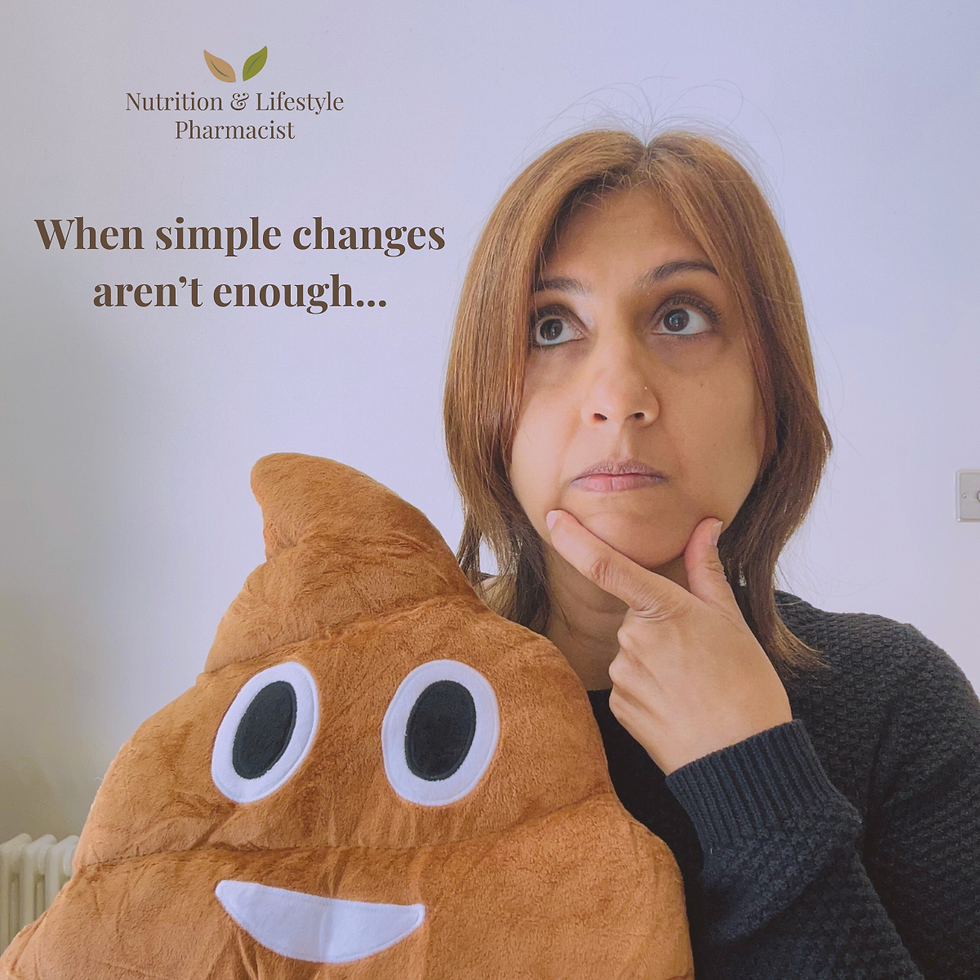
Why digestive symptoms can feel so confusing
One of the most common patterns I see in clinic is people trying to find one single cause for their symptoms. A specific food, a supplement, or a quick fix that will explain everything.
But in reality, digestion is rarely that simple.
Your gut health is influenced by a combination of factors working together. This can include your eating habits, the types of foods you’re eating, how you’re eating them, stress levels, sleep quality, daily routines, and your individual gut environment.
This is why two people can eat the same meal and feel completely different afterwards.
When I work with clients, I take a step back from the idea of “just remove this food” or “just take this supplement”. Instead, I focus on understanding the bigger picture and what your body might be trying to communicate through your symptoms.
We look at patterns over time, not isolated moments. This helps us build a more realistic and personalised approach that fits into everyday life, rather than adding more restriction or confusion.
Common symptoms people experience
Digestive symptoms can show up in many different ways. Some of the most common include:
Bloating, especially after meals
Abdominal discomfort or cramping
Acid relfux and indigestion
Excess wind or trapped gas
Irregular bowel movements (constipation, diarrhoea, or both)
Feeling overly full after eating
Food feeling like it “sits” in the stomach longer than it should
Fluctuating symptoms that seem hard to predict
Low energy or sluggishness after meals
If any of these feel familiar, you are certainly not alone, and there is usually more than one factor involved.
My approach in clinic
Rather than starting with a long list of restrictions, my approach is to first understand your day-to-day experience.
We explore questions like:
How do your symptoms change across each day and during the week?
Are there certain times they feel worse or better?
What does your typical routine look like around meals?
How is your stress, sleep, and overall lifestyle supporting or impacting digestion?
Looking back - when did all of this start? Was there a specific historical trigger?
From there, we begin to identify patterns and make small, manageable adjustments.
The goal is not perfection or strict rules. It’s about helping you understand your body better and gradually supporting digestion in a way that feels sustainable and realistic for your lifestyle.
Functional testing (when appropriate)
In some cases, functional testing can be a very helpful, and much needed, part of building a clearer picture of what may be contributing to ongoing digestive symptoms.
Depending on your individual situation, this may include options such as:
Stool test analysis to explore gut bacteria balance and digestive function
Food intolerance or sensitivity testing, where appropriate
Breath testing for conditions such as SIBO (small intestinal bacterial overgrowth), if symptoms suggest this may be relevant
Nutrient status testing to assess potential deficiencies that may be affecting overall well-being
It’s important to note that testing is not always the first step. I usually recommend starting with a thorough case history and symptom review first, and then deciding together whether testing would be useful as part of a wider plan.
Testing should always be used to add context and helpful data, not to replace a full understanding of your symptoms and lifestyle.
Three practical steps you can try this week
If you’re currently struggling with your digestion, here are three simple starting points you could explore:
1. Slow down at mealtimes
Take a little more time to eat, chew your food thoroughly, and try not to rush meals. This simple change can sometimes make a noticeable difference to how your digestion feels.
2. Support digestion after meals
Try gentle movement after eating, such as a short walk, to help support natural digestive processes. You may also find it helpful to avoid large amounts of fizzy drinks or excessive fluid intake around mealtimes, as this can sometimes contribute to a feeling of bloating or fullness for some people.
3. Keep a simple food and symptom diary
You don’t need anything complicated. Just note what you eat and how you feel afterwards. Over time, this can help highlight patterns you might not otherwise notice.
A recent client experience
If any of this sounds familiar, you’re not alone. Many clients come to me after a long period of trying to manage things on their own.
Over a 12-week period, this client and I worked together on supporting her digestion, and she shared the following experience:
"I struggled for years with bloating and IBS-type symptoms with no lasting relief from over-the-counter remedies or supplements. Working with Jazz helped me finally understand my triggers and I’ve experienced a gradual, sustained improvement in my digestion" Deborah.
This kind of experience is something I see often in clinic. After years of trying different approaches without lasting change, we focus on slowing things down, looking at the bigger picture, and building a clearer understanding of what your individual gut is responding to.
In this case, we also used functional testing as part of the wider picture to help explore potential underlying factors in more depth. This helped guide our work together and supported a more tailored, focused approach.
Rather than relying on guesswork, this allowed us to step back and build a clearer understanding of what was contributing to her symptoms and how best to support her digestion in a way that felt manageable and sustainable.
From there, the aim is not perfection or restriction, but confidence, clarity, and a more settled relationship with food and digestion over time.
Final thoughts
If your digestion has been unpredictable for a while, it’s understandable to feel stuck or unsure what to try next. Often, the missing piece is not another quick fix or the latest probiotic supplement, but a clearer understanding of your individual patterns and triggers.
With the right support, it is possible to take a more structured and personalised approach that helps you make sense of what’s going on, rather than constantly guessing.
Work with me
If you’d like to explore your digestion in more depth and find a more personalised way forward, you’re very welcome to book a free 30-minute health exploration call.
This is a relaxed space to talk through your symptoms, your history, and what you’ve already tried, and to see whether working together feels like the right next step for you.
Let’s uncover the answers your gut has been trying to tell you!
You can get in touch or book your call using the link below:

Remember, taking that first step is the most important part of the journey. You’ve got this, and I’m here to support you every step of the way.
Got a friend struggling with troublesome digestive symptoms? Feel free to share this blog with them!


Comments